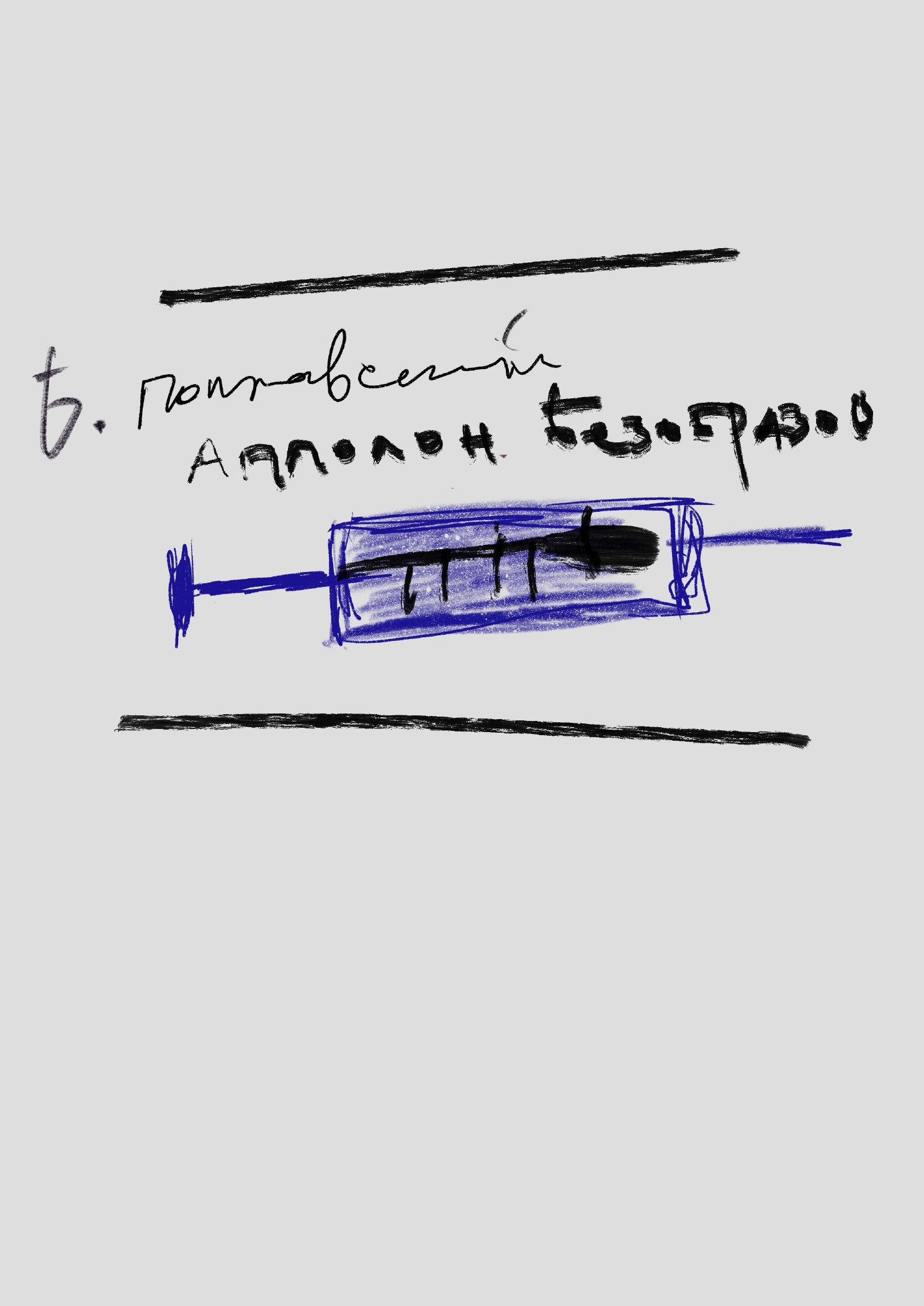
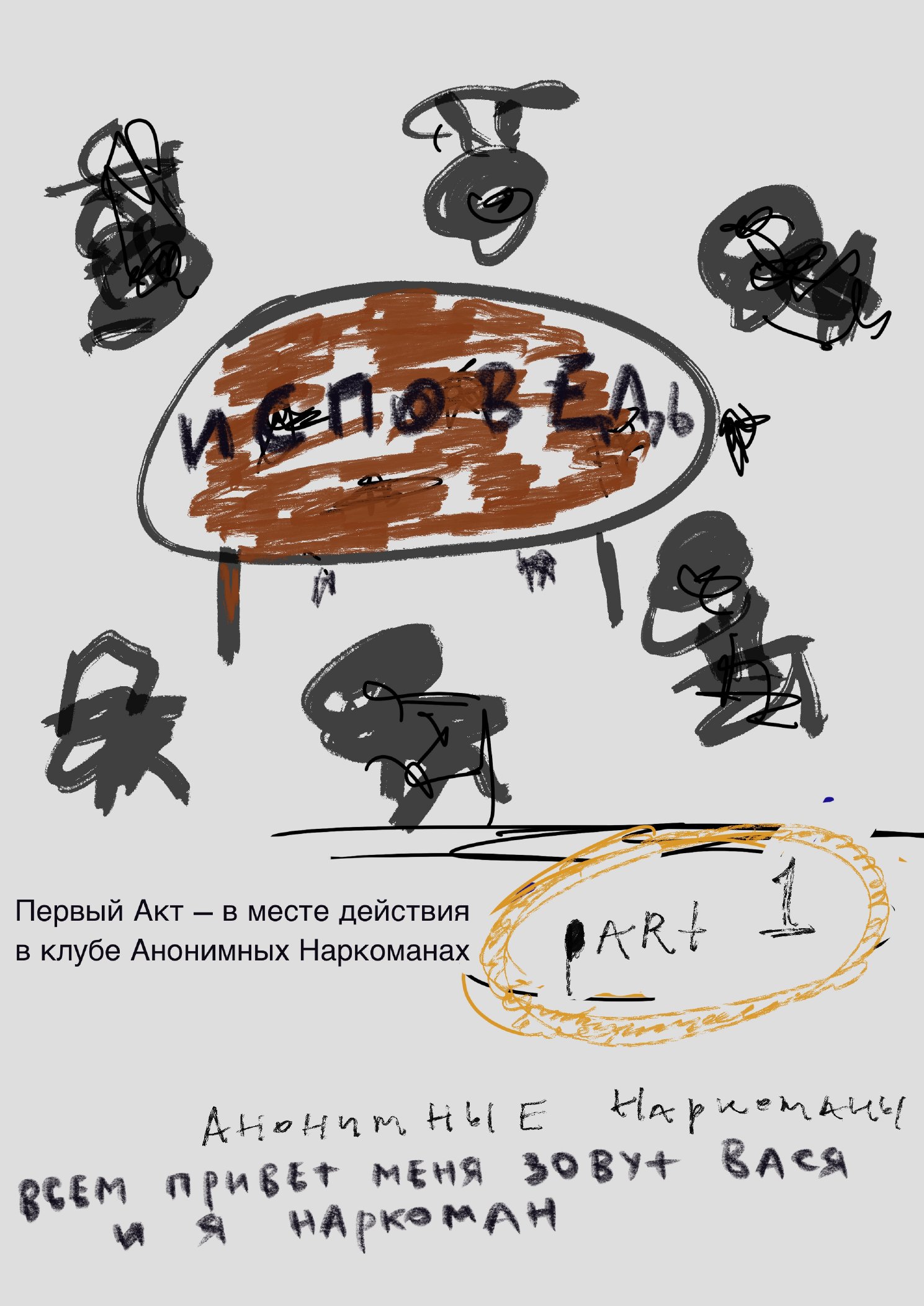
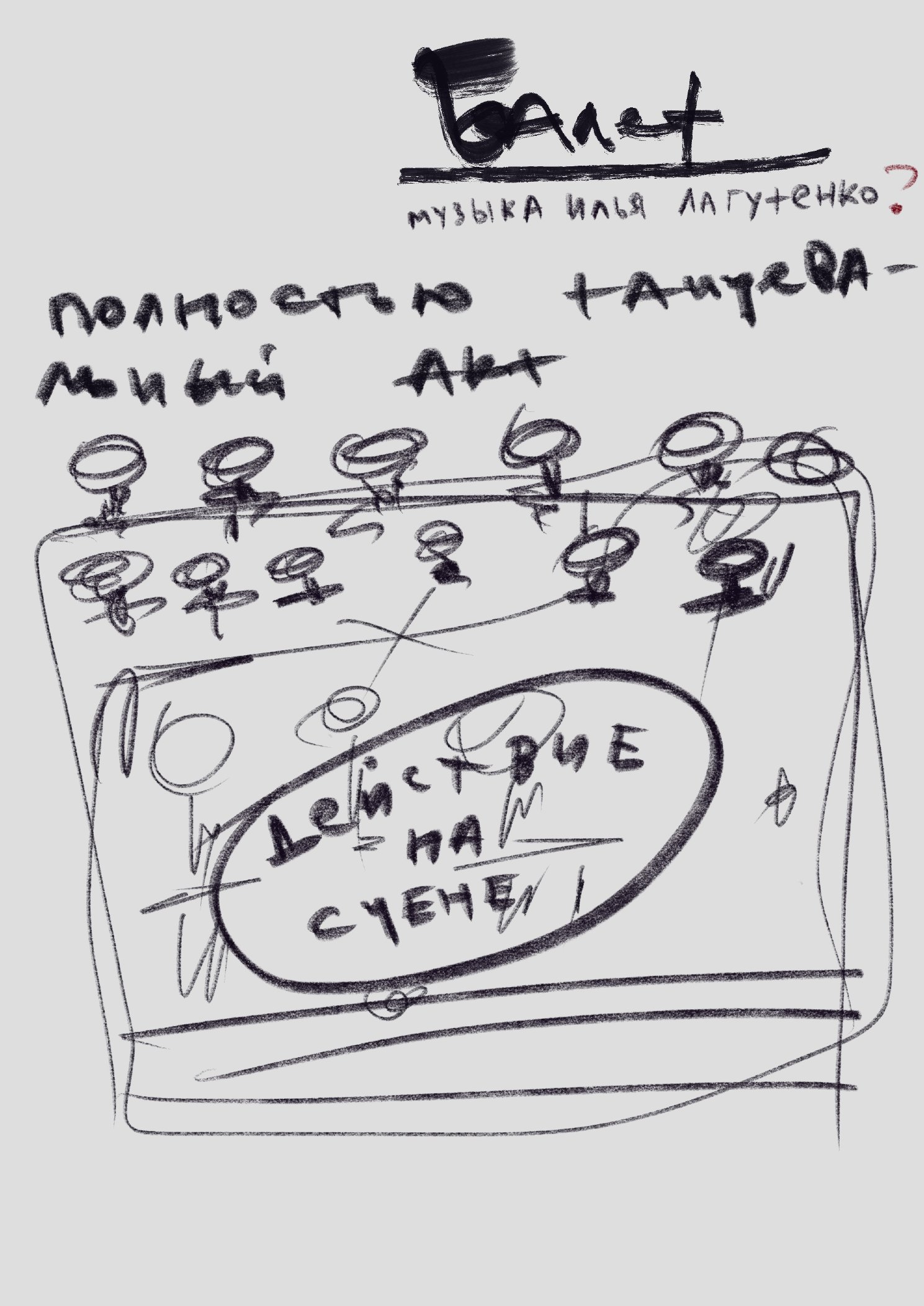
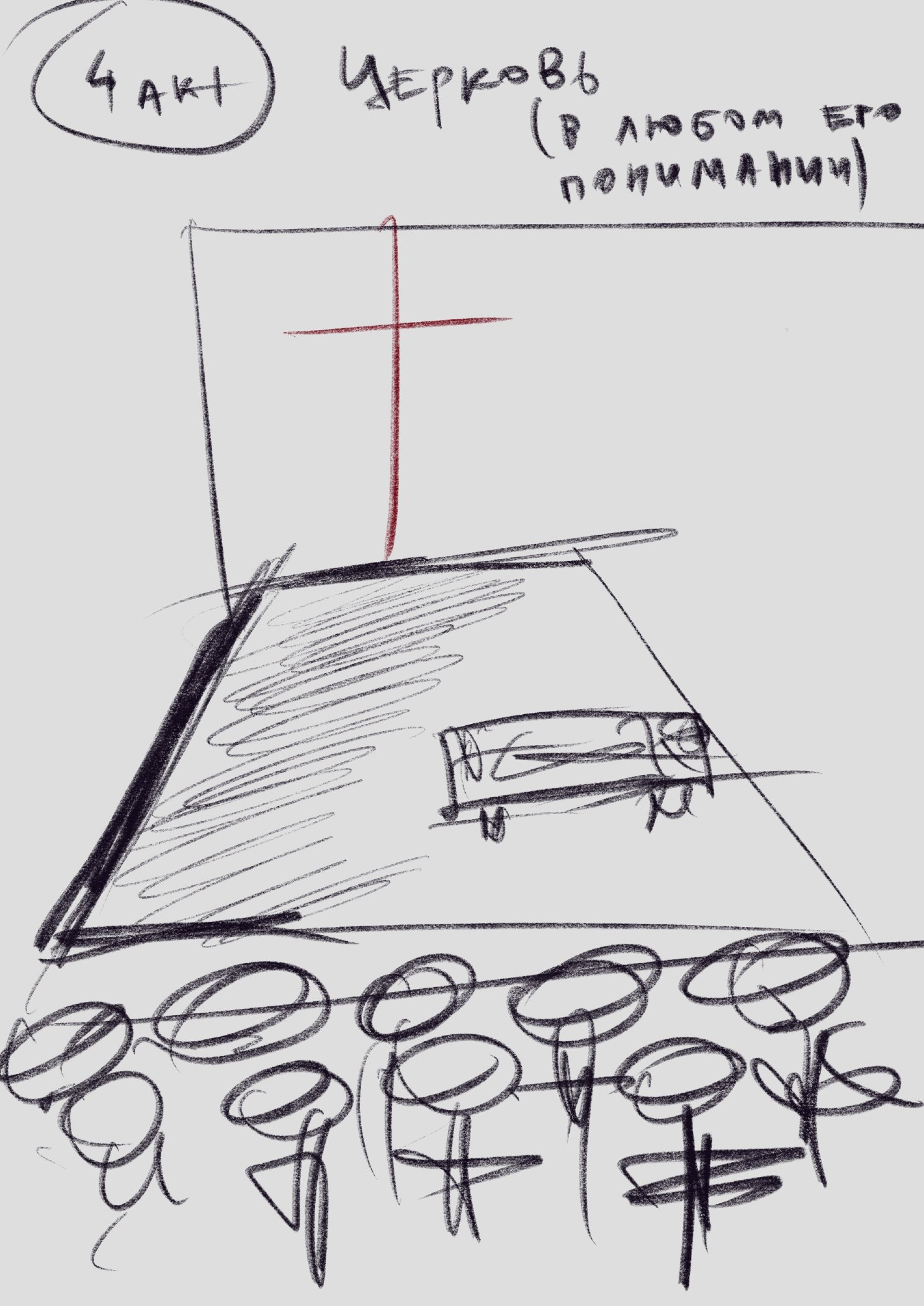
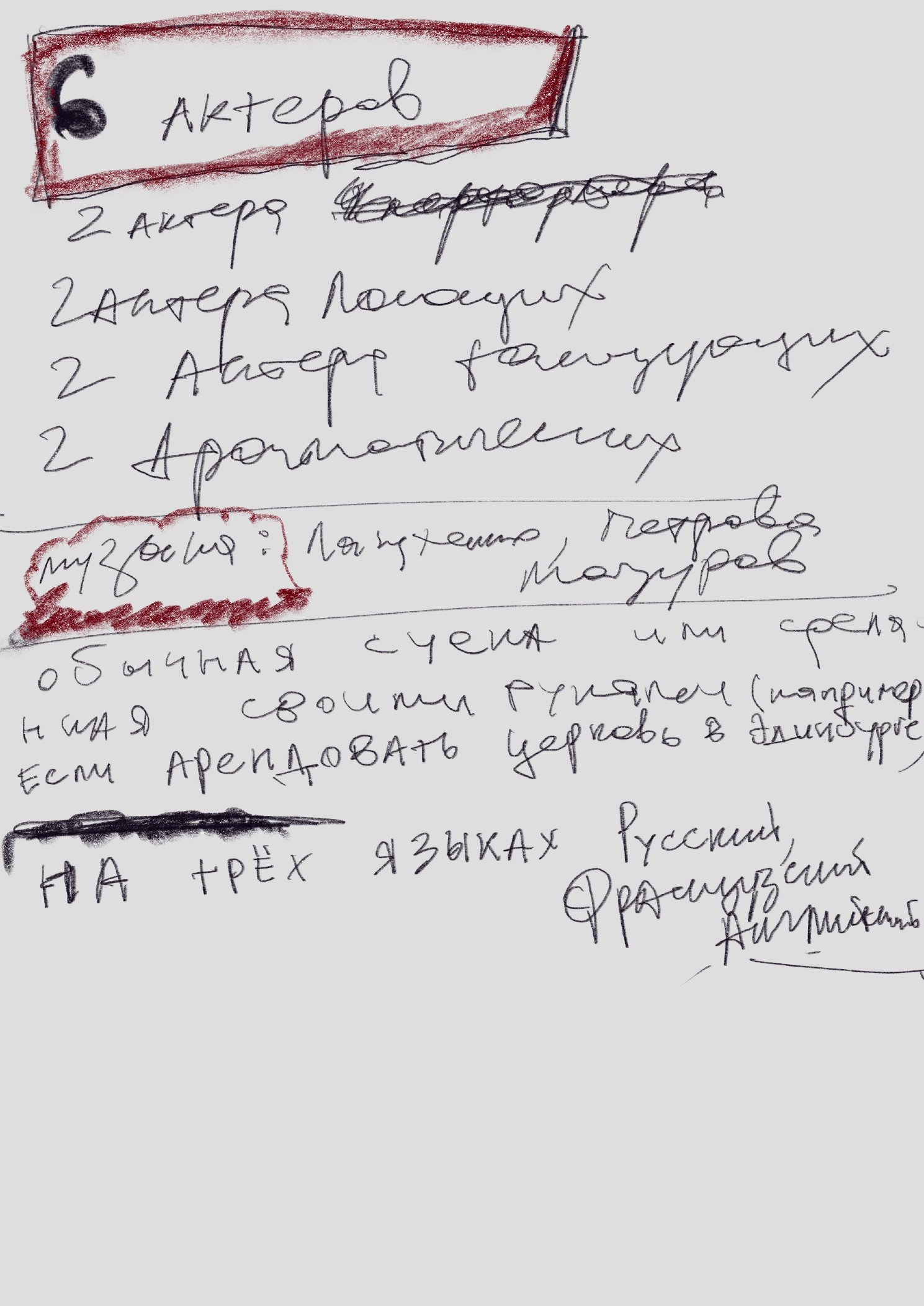
Аполлон Безобразов — главный герой одного забытого русского романа. Книгу написал Борис Поплавский в Париже между 1926 и 1932 годами. Поплавский умер в тридцать два года от передозировки героина, не дождавшись её выхода. Роман пролежал в архивах сорок лет, был издан фрагментарно в семидесятых, целиком — в две тысячи пятом.
Apollon Bezobrazov est le personnage principal d'un roman russe oublié. Boris Poplavski l'a écrit à Paris entre 1926 et 1932. Poplavski est mort à trente-deux ans d'une overdose d'héroïne sans avoir vu paraître son livre. Le roman a sommeillé quarante ans dans les archives, a été publié par fragments dans les années soixante-dix, intégralement en deux mille cinq.
Apollon Bezobrazov is the central figure of a forgotten Russian novel. Boris Poplavski wrote it in Paris between 1926 and 1932. Poplavski died at thirty-two of a heroin overdose without seeing the book appear in print. The manuscript slept for forty years in the archives, was published in fragments in the seventies, complete in two thousand five.
Это книга о русской эмиграции в Париже. О первой её волне, монпарнасской, бедной, опийной. О медленных, плоских часах в кафе на Распай. О духовном паразитизме одних, об ангельской усталости других. О людях, у которых ничего нет, но которые держатся вокруг одной фигуры — Безобразова — потому что в нём есть скала, в тени которой можно лечь и хоть на минуту перестать стыдиться.
C'est un livre sur l'émigration russe à Paris. Sur sa première vague, montparnassienne, pauvre, opiacée. Sur les heures lentes et plates dans les cafés de Raspail. Sur le parasitisme spirituel des uns, l'angélique fatigue des autres. Sur des gens qui n'ont rien mais qui se tiennent autour d'une figure — Bezobrazov — parce qu'il y a en lui une pierre, à l'ombre de laquelle on peut s'étendre et cesser, ne serait-ce qu'une minute, d'avoir honte.
It is a book about Russian emigration in Paris. About its first wave, Montparnasse, poor, opium-clouded. About the long flat hours in the cafés of Raspail. About the spiritual parasitism of some and the angelic exhaustion of others. About people who have nothing, who hold around one figure — Bezobrazov — because there is a rock in him, in whose shade one can lie and stop, for one minute, being ashamed.
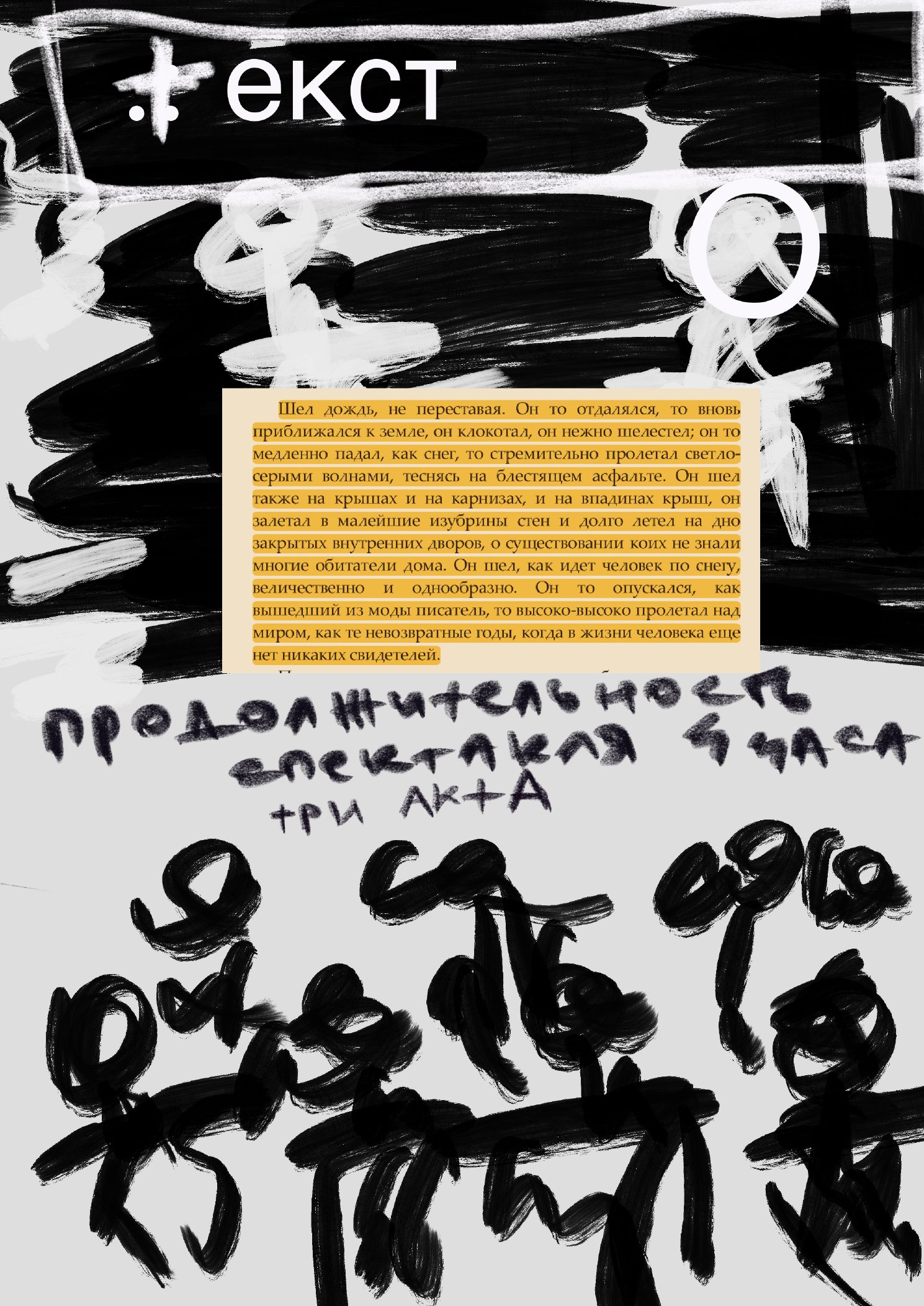
Я снова открыл его книгу зимой 2022, через три месяца после отъезда в Париж. Я сидел в кафе восемнадцатого арондисмана, которого Поплавский не знал. Шёл дождь — тот самый дождь, что в первой странице. Я понял, что нет никакого зазора между его эмиграцией и моей. Что русская эмиграция в Париже — это одна литература, написанная в непрерывном времени.
J'ai rouvert son livre l'hiver 2022, trois mois après mon arrivée à Paris. Je tenais un café du dix-huitième arrondissement, que Poplavski ne connaissait pas. Il pleuvait — la même pluie qu'à la première page. J'ai compris qu'il n'y avait aucun écart entre son émigration et la mienne. Que l'émigration russe à Paris est une seule littérature, écrite en temps continu.
I opened his book again in the winter of 2022, three months after I arrived in Paris. I was sitting in a café of the eighteenth arrondissement, one that Poplavski never knew. It was raining — the same rain as on the first page. I understood there was no gap between his emigration and mine. That Russian emigration in Paris is a single literature, written in continuous time.
Этот роман — попытка взять имя Безобразова через сто лет. Не пастиш, не ремейк. Продолжение.
Ce roman est une tentative de reprendre le nom de Bezobrazov à un siècle de distance. Ni pastiche, ni remake. Une continuation.
This novel is an attempt to carry the name Bezobrazov across one hundred years. Not pastiche, not remake. A continuation.